Bogotá – The Social Geography Behind the City’s Private Escort Market
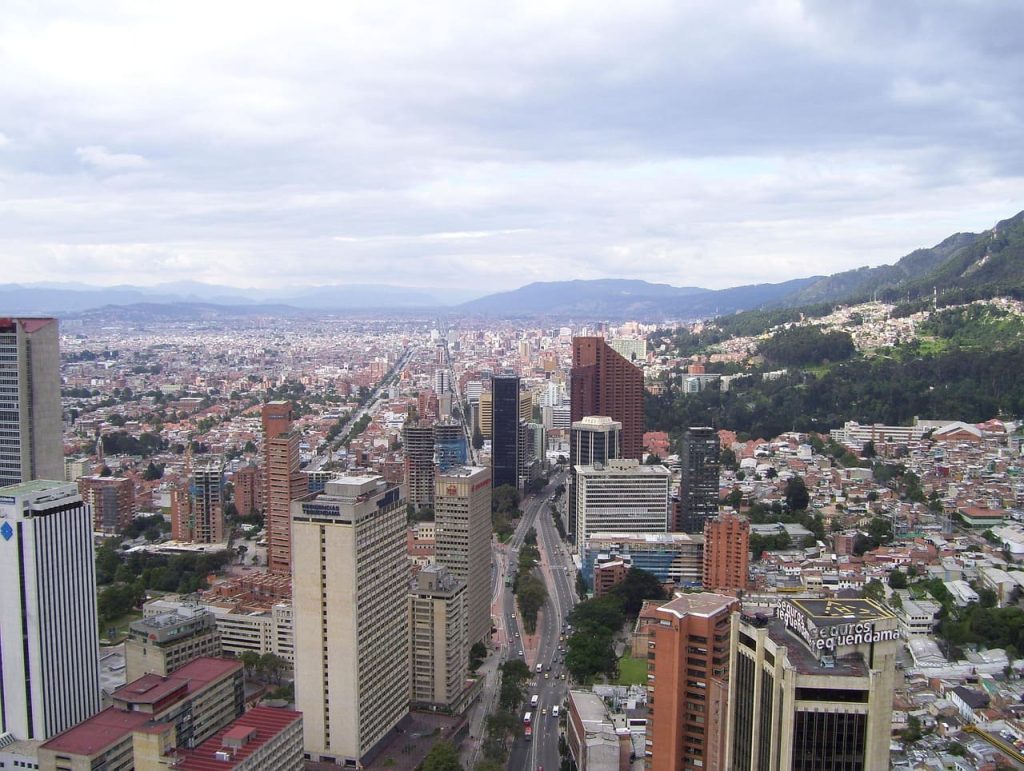
Bogotá is a city built on contrasts. It rises high in the Andes, spreads across neighborhoods with sharply different identities, and moves according to rhythms that shift from district to district. It’s a capital shaped by business towers, universities, political life, creative communities, and street cultures that coexist in tight urban corridors. Within this complex landscape, the private escort market has developed its own logic — influenced not by glamour, but by geography, economics, and the subtle social codes of Bogotá.
Understanding the structure of the city is essential to understanding how this market functions. Bogotá is divided socially and spatially in ways that are unique compared to other Latin American capitals. Wealth is concentrated in the north — areas like Chapinero Alto, Usaquén, and Chicó — while the center carries a mix of business activity, education, and nightlife. These districts form the core of high-end demand. Travelers, executives, digital nomads, and expatriates tend to stay in these zones, which naturally shapes where private services organize themselves.
The city’s constant movement also plays a major role. Bogotá is known for its intense traffic, long commutes, and sprawling layout. Because of this, private services rely heavily on digital communication and precise scheduling. Clients want reliability, and service providers want safety and predictability. That mutual need for structure has pushed the market to evolve into a more organized, segmented model that avoids improvisation and prioritizes controlled interactions.
Another defining factor is Bogotá’s economic diversity. The city attracts a wide range of professionals — consultants coming for short-term projects, entrepreneurs exploring Colombia’s emerging tech scene, academics attending conferences, and tourists interested in culture, gastronomy, and nightlife. Their expectations differ, but they share a common preference for discretion, clarity, and straightforward interaction. This is one reason escorts in Bogota tend to operate through selective online channels rather than public venues.
Safety considerations also shape the environment. Bogotá is far safer than it once was, but the city still runs on an unwritten rule: clarity equals security. Both clients and service providers rely on verified communication methods, trusted platforms, and transparent arrangements. This reduces uncertainty and minimizes the risks associated with unfamiliar contacts or unpredictable settings. As in many Latin American cities, reputation is currency — people avoid unnecessary exposure and prefer controlled, well-defined environments.
Social dynamics add another layer. Bogotá has a strong culture of interpersonal warmth, but also a caution that comes from living in a big, complex metropolis. As a result, interactions in the private escort sector tend to be measured and deliberate. Providers are selective, clients are selective, and both sides avoid chaotic or last-minute encounters. It’s an ecosystem shaped by mutual expectations rather than impulsive behavior.
Digital infrastructure has amplified this trend. Bogotá’s younger generations rely heavily on apps for transportation, communication, payments, and nightlife. The escort sector adapted quickly, adopting online profiles, scheduling tools, and structured channels for contact. This reduces friction and creates a more professional environment that aligns with the city’s broader modernizing momentum.
Another element that distinguishes Bogotá is its emotional rhythm. The city is active and intense, but it also has a thoughtful, introspective side. Cultural life — from film festivals to live music to local cafés hidden in steep streets — influences how people interact socially. This atmosphere shapes expectations around private meetings. Many visitors want someone who understands the local tempo, the subtleties of neighborhoods, and the unwritten codes of social interaction in Colombia’s capital.
Because Bogotá is an intellectual and artistic center, many individuals involved in private services have diverse backgrounds — students, freelancers, creatives, and professionals who choose part-time work for autonomy or economic flexibility. This creates a market defined more by urban reality than by stereotypes. People operate with a sense of pragmatism and mutual respect, understanding that the city rewards careful navigation.
As Bogotá continues to modernize, expand its business sectors, and attract international interest, the private escort market will evolve alongside it. The city’s complexity will remain — its contrasts, its movement, its mix of caution and warmth — and these same qualities will continue shaping how the sector functions. It is not a world built on glamour, but on adaptation to the structure of Bogotá itself: a high-altitude urban maze defined by momentum, boundaries, and the subtle negotiations that happen in every corner of the city.