Escort Perspectives Within Warsaw’s Expanding Social Landscape
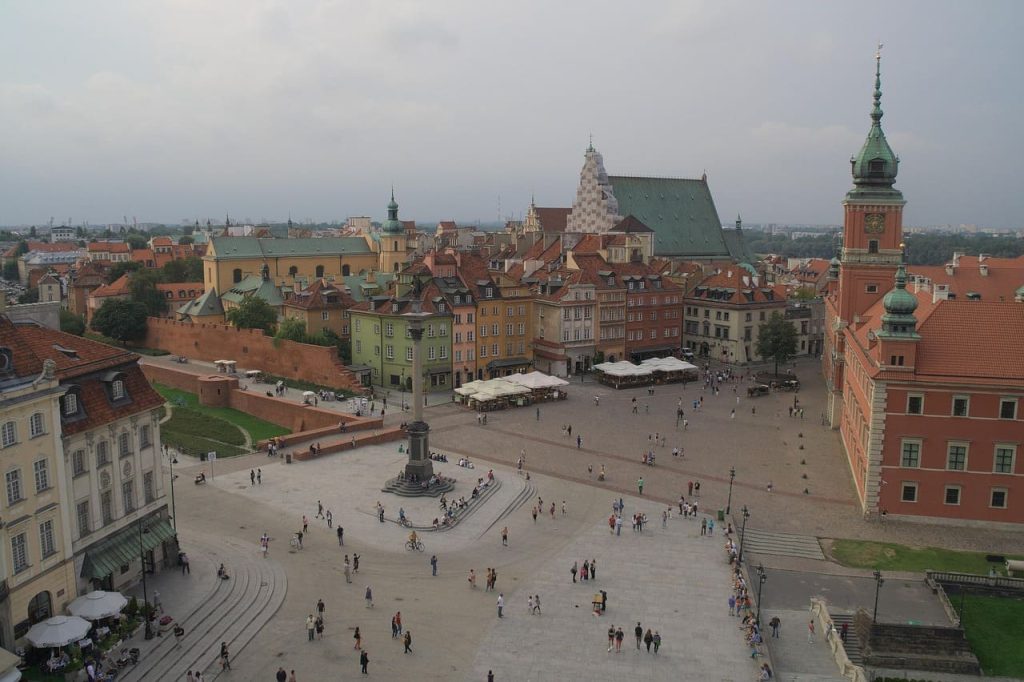
Warsaw is a city that carries multiple identities at once. It is modern yet historical, fast-paced yet thoughtful, internationally oriented yet unmistakably Polish. Travelers who arrive here expecting only a large, business-focused European capital quickly discover a place full of emotional nuances, cultural layers, and a social rhythm that blends cosmopolitan energy with the depth of local tradition. The rebuilt Old Town, the wide boulevards, the creative districts filled with cafés and galleries, and the riverside atmosphere along the Vistula all create an environment where interaction feels both dynamic and meaningful. Warsaw is not a city that reveals everything at once; it slowly opens through its people, its neighborhoods, and its distinct emotional tone.
As visitors move through the city, from historic streets to modern business centers, they begin to feel its dual personality. There is the fast, corporate Warsaw filled with ambition and movement, and the intimate, artistic Warsaw shaped by young creatives, students, and locals who embrace conversation, culture, and spontaneous connection. This contrast gives the city a unique social texture. People can find loud nightlife one moment and quiet reflection the next, depending on which part of Warsaw they explore. It is this balance that shapes how companionship unfolds here, transforming simple interactions into something that feels grounded and emotionally present.
The growing number of international travelers, professionals, and expatriates adds another dimension to the city’s interpersonal style. Warsaw has become a meeting point of cultures, languages, and lifestyles. This multicultural influence encourages openness, curiosity, and a relaxed attitude toward communication. Interactions tend to feel approachable and natural, particularly in neighborhoods such as Powiśle, Praga, or Śródmieście, where cafés, bookstores, and riverside spaces serve as gathering spots for conversations and shared experiences. In this broader context of connection, discussions about companionship sometimes mention Warsaw escorts, not as something central to the city’s identity, but as one small reflection of how personal interaction adapts within a capital that is constantly changing and expanding.
What shapes Warsaw’s interpersonal environment most strongly is its emotional complexity. The city has endured destruction, rebirth, transformation, and modernization, all within a relatively short historical span. That history can be felt in the ways people communicate—with honesty, directness, and a sense of depth that often emerges once initial reserve passes. Poles in Warsaw may appear formal at first, but beneath that surface lies warmth, humor, and a genuine interest in meaningful conversation. Many travelers find this combination appealing: a city that is efficient and modern, but still deeply human in the way people express themselves.
Warsaw’s creative scene reinforces this emotional openness. Galleries, performance spaces, independent cinemas, and cultural festivals provide countless opportunities to connect through art, music, and shared interests. These environments encourage calm, thoughtful interaction. They make companionship feel less transactional and more like a natural extension of the city’s cultural pulse. People discover one another over conversations about film, design, history, or current events, and these interactions feel sincere because they grow from authentic curiosity rather than social obligation.
Even Warsaw’s nightlife supports this blend of energy and intimacy. While the city offers clubs, bars, lounges, and late-night venues, it rarely loses its sense of groundedness. Social spaces remain approachable, encouraging relaxed conversation rather than overwhelming noise. Visitors often comment that Warsaw’s evenings feel more balanced than in many other capitals—energetic, yes, but also emotionally accessible. Companionship in such spaces tends to be shaped by this equilibrium, creating a comfortable setting for connection.
The calmer areas of the city add yet another dimension. Parks, riverbanks, quiet courtyards, and historical corners offer settings where companionship becomes reflective rather than lively. The gardens around the Royal Route, the pathways near Łazienki Park, or the intimate spaces of the university district provide environments where people can talk, walk, and connect without distraction. These moments reveal Warsaw’s softer side, a quality that surprises many who expect only a bustling metropolis.
As Warsaw continues to grow, its social landscape remains rooted in authenticity. This is what defines companionship in the city: it emerges from genuine presence, emotional clarity, and a respect for personal boundaries. Visitors often find that the city allows them to be themselves—to express whatever they feel, to explore both social energy and quiet reflection, and to meet people who communicate with honesty and depth. Warsaw supports connection not through intensity or performance, but through a natural balance of openness and structure.
Ultimately, what stands out about companionship in Warsaw is the way it mirrors the city’s identity. The capital is strong but warm, modern but soulful, practical but expressive. It gives people space to connect in whatever way feels most natural—whether through conversation, shared exploration, creativity, or simply the comfort of company in a place that values sincerity. For anyone seeking meaningful interaction in a city that blends the past with the future, Warsaw provides an environment where connection can grow effortlessly, shaped by the capital’s quiet emotional strength and its distinctly human spirit.