Human Connections in Muscat’s Quietly Evolving Social Scene
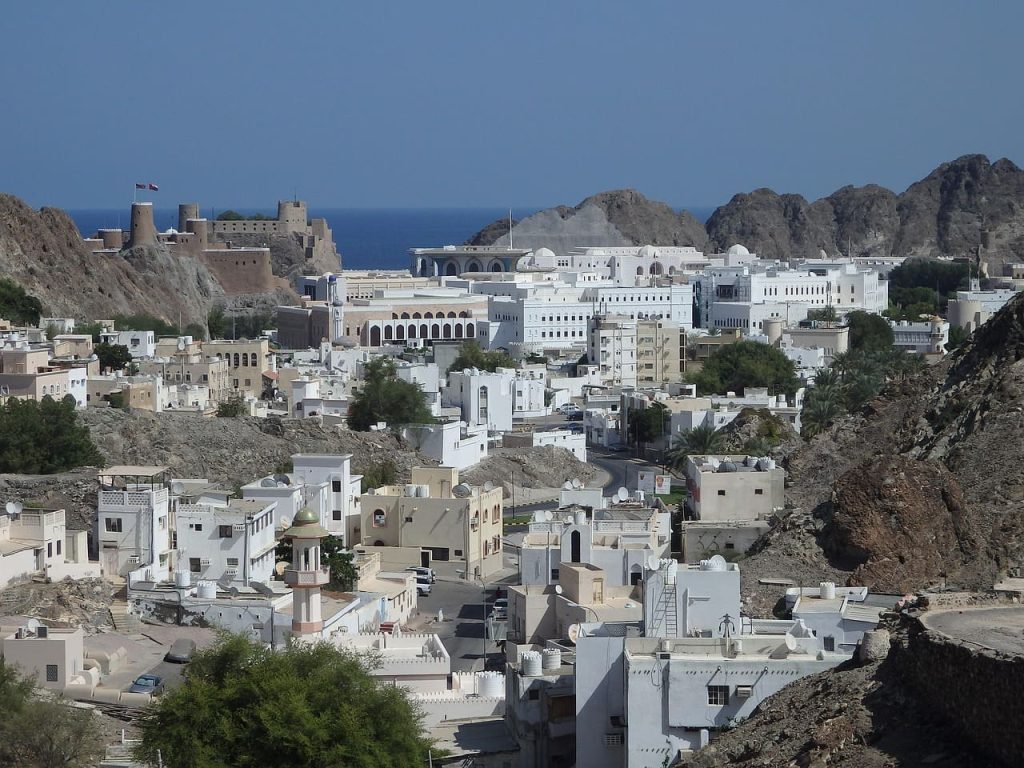
Muscat is one of the Middle East’s most distinctive capitals, shaped by a calm elegance, deep cultural heritage, and a refined atmosphere that contrasts sharply with the region’s more extravagant metropolitan centers. Instead of towering skyscrapers and overwhelming noise, Muscat offers soft landscapes of white buildings, the gentle rise of surrounding mountains, the open blue of the Gulf of Oman, and a lifestyle rooted in respect, hospitality, and tradition. Travelers who arrive here often feel as though they have stepped into a space where time slows down, where the rhythm of daily life is steady and measured, and where interaction unfolds through subtle gestures and genuine warmth. This unique environment shapes not only how visitors experience the city, but also how personal connection and companionship are perceived within Muscat’s social fabric.
While tourism in Oman continues to grow, Muscat remains a city that values privacy, dignity, and understated expression. People here speak with a calm confidence, listen attentively, and maintain an approach to communication that prioritizes comfort and respect. The city does not overwhelm newcomers; instead, it gradually opens itself through encounters in quiet cafés, seaside promenades, traditional souqs, or cultural landmarks where locals and travelers naturally cross paths. For many visitors, these small, authentic moments define Muscat far more than any itinerary or landmark ever could.
With Muscat becoming an increasingly relevant stop for business travelers, expatriates, and tourists seeking a more grounded Middle Eastern experience, conversations about companionship occasionally refer to Muscat escorts, not as a defining element of the city, but as a subtle reflection of how personal interaction adapts within a traditional yet modernizing environment. In Muscat, companionship is shaped heavily by cultural awareness, discretion, and emotional sensitivity. Social norms require respect for personal boundaries, clear communication, and a mindful balance between openness and cultural etiquette. This creates an interpersonal atmosphere that feels thoughtful rather than impulsive, warm but never intrusive.
Muscat’s cultural identity is deeply tied to Oman’s longstanding values of hospitality and modesty. Omanis are known for their politeness, their generosity toward guests, and their calm demeanor, which together create an interpersonal style that is welcoming without being overwhelming. In a city where cultural pride blends with a naturally gentle lifestyle, companionship tends to develop through sincerity, attentive presence, and a shared appreciation for the environment. Even brief interactions—whether while sipping karak tea, browsing artisan shops, or admiring the waterfront—can take on meaningful tones because of the honesty and emotional clarity that shape local communication.
The landscapes of Muscat also play a significant role in creating space for connection. Long stretches of coastline invite peaceful conversation, mountain backdrops inspire quiet reflection, and carefully designed public areas encourage people to slow down and observe. Whether walking along the Muttrah Corniche, discovering the Royal Opera House, or exploring the traditional charm of Muttrah Souq, visitors often find that shared experiences feel balanced and unhurried. Companionship in such surroundings gains depth through the environment itself—calm, open, honest, and naturally grounding.
Although Muscat is not driven by the intense nightlife culture found in other regional cities, it offers its own form of social life—more intimate, more refined, and more suited to meaningful interaction. Lounges, hotel venues, and private gatherings create comfortable spaces where conversation flows easily. The absence of excessive noise or chaos allows people to connect on a more personal level. Travelers often appreciate this shift in pace, as it encourages presence rather than distraction, sincerity rather than performance.
Another distinguishing aspect of Muscat is the fusion of modernity and tradition. The city has grown technologically and economically, yet it has preserved cultural rituals, architectural harmony, and social values that emphasize humility and respect. This blend shapes companionship in a way that feels balanced and emotionally intelligent. The city welcomes new perspectives, but it does so with grace, maintaining the essence of Omani identity. Visitors who spend time here often describe feeling comforted by Muscat’s emotional steadiness—its ability to make people feel safe, grounded, and understood.
As Muscat continues to evolve, its approach to personal connection remains anchored in authenticity. This creates a distinctive atmosphere for companionship: interactions are shaped by openness, but also by cultural attentiveness; by warmth, but also by respect for privacy; by genuine curiosity, but without pressure. Travelers seeking emotional clarity, meaningful conversation, or simply a sense of human presence in a new place often find Muscat unexpectedly rich in these qualities.
Ultimately, what defines companionship in Muscat is the city’s ability to create space—space for reflection, space for conversation, space for connection. Muscat invites people to slow down, to feel the rhythm of its traditions, and to engage with others in a way that is sincere and balanced. Whether someone comes for cultural exploration, business, or personal growth, Muscat provides a setting where authentic human connection can flourish quietly and naturally, guided by the grace and depth that define Oman’s capital.