Istanbul and the Human Texture of Connection in a City Between Worlds
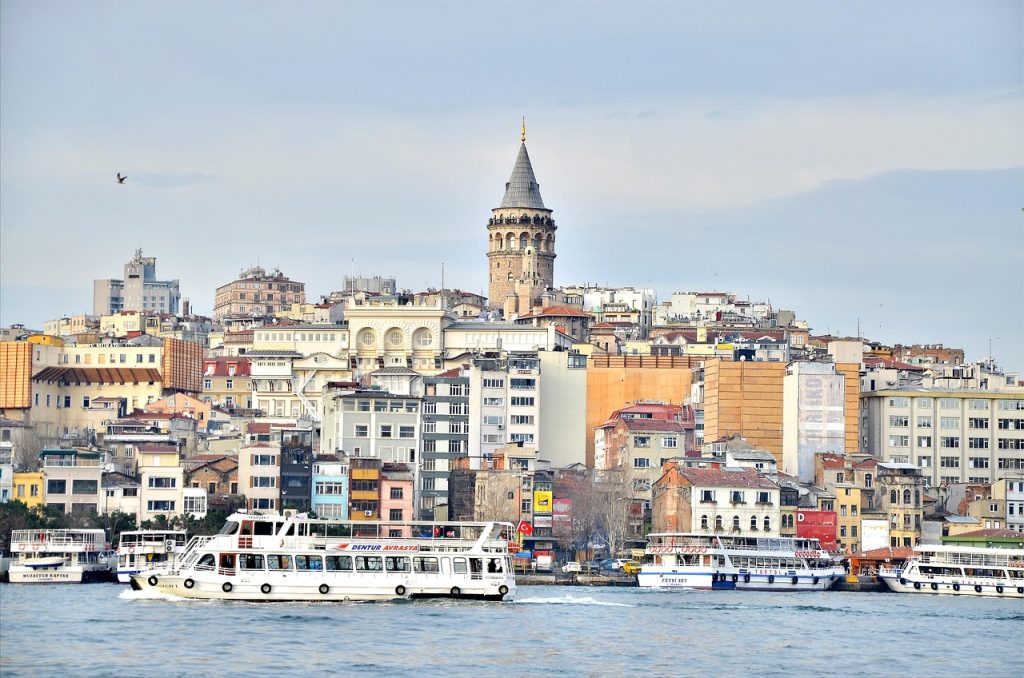
Istanbul is a city that exists in two dimensions at once: the physical one, where continents meet, and the emotional one, where cultures, memories, and human stories intersect with remarkable intensity. It is impossible to reduce Istanbul to a simple definition, because everything about it expands outward—its size, its sounds, its flavors, its moods, its history, and its people. Visitors often arrive expecting beauty and chaos, but they quickly discover something deeper: a rhythm that feels ancient and modern at the same time, a social pulse shaped by both intimacy and enormity. Istanbul is alive in a way few cities are, and this vitality shapes how human connection unfolds across its endless layers.
As travelers move through its districts, they feel the shift in atmosphere almost instantly. Sultanahmet carries centuries in its silence; Beyoğlu pulses with constant movement; Kadıköy feels artistic and expressive; Beşiktaş energetic and youthful. Small streets hide quiet teahouses, while just steps away thousands of people cross Galata Bridge, each carrying their own destination and story. In the middle of this complexity, interactions take on a special tone. People speak openly, laugh easily, and gesture naturally. Even strangers exchange a kind of unspoken acknowledgment, born from living in a city where private and public life constantly touch.
It is within these emotional layers that discussions of companionship occasionally arise. Travelers seeking comfort, guidance, or meaningful presence in such a vast city sometimes refer to escorts in Istanbul, not as something central to the city’s identity but as one of the many ways personal connection forms in a place where cultural diversity, hospitality, and human openness blend into a unique social environment. Istanbul shapes companionship through its warmth and emotional depth rather than through distance or formality.
The character of Istanbul’s people is one of its most defining features. Turks are known for their hospitality—warm, direct, welcoming, sometimes even intense in the best possible way. They enjoy conversation, offer help without being asked, and engage with others through a mixture of sincerity and humor that often surprises first-time visitors. This emotional honesty influences how companionship evolves. It becomes something grounded in presence, conversation, and the natural flow of the moment. Whether sharing a meal in a traditional lokanta, drinking tea by the Bosphorus, or walking through a crowded bazaar, interactions feel vibrant and human.
The city’s geography also plays a strong role in shaping connection. Istanbul is a place where water, hills, and ancient streets meet in ways that slow people down despite the city’s size. Sitting by the Bosphorus creates a mood of calm reflection; wandering through Balat or Fener invites curiosity and storytelling; experiencing nightlife in Karaköy or Nişantaşı brings out a more expressive, spontaneous side of companionship. The surroundings constantly influence the tone of interaction, making it easier for people to open up or share experiences that feel more meaningful than routine travel encounters.
Istanbul’s nightlife adds yet another dimension. It is rich, diverse, and emotionally expressive—yet not overwhelming in the way some global nightlife capitals can be. Rooftop terraces look over endless city lights, jazz bars hide behind historic facades, and late-night meyhanes create an atmosphere where music, conversation, and sincerity mix together. These environments encourage companionship that feels rooted in real mood rather than performance. People here do not simply socialize—they participate in a shared emotional space shaped by food, music, storytelling, and the city’s natural intensity.
The quieter parts of Istanbul create a different kind of intimacy. Parks, waterfront promenades, hidden courtyards, and older residential neighborhoods offer opportunities for slow, reflective connection. In these areas, companionship takes on a softer tone. It becomes about walking together, observing, enjoying silence, or appreciating the small details of daily life. Many travelers find that these moments create deeper memories than the more dramatic parts of the city.
Istanbul’s multicultural identity also influences personal interaction. For centuries, it has been home to people from countless backgrounds—Turkish, Greek, Armenian, Jewish, Arab, Balkan, Levantine, and many others. This diversity adds emotional richness to the city’s communication style. People are used to differences, to varied perspectives, to layered histories. This makes companionship more adaptive, more open, and more nuanced. Visitors often describe that they feel understood here, even without words.
Ultimately, what defines connection in Istanbul is the city’s ability to hold contradictions gracefully. It is loud yet soft, chaotic yet peaceful, immense yet intimate. It allows people to express themselves without hesitation but also offers spaces where they can rest emotionally. This makes companionship feel natural and unforced. It grows from the rhythm of the city itself—its sounds, its warmth, its contradictions, and its undeniable sense of life.
For anyone seeking presence, emotional depth, cultural richness, or simply the comfort of another human being in a city full of stories, Istanbul offers a landscape where real moments can happen at any turn. Whether crossing continents on a ferry, sharing tea with someone who understands the city’s soul, or walking through centuries of history, Istanbul creates the conditions for connection—complex, sincere, and profoundly alive.