Why Foreign Visitors in Cairo Rely on Structured Listings Instead of Spontaneous Social Encounters
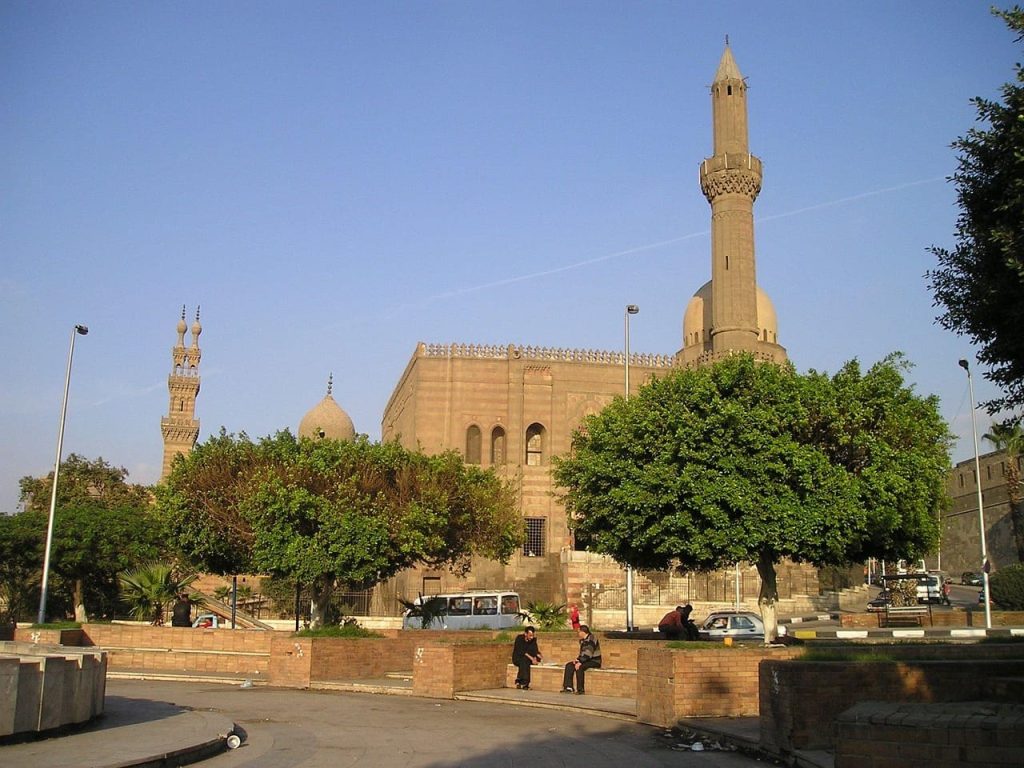
Cairo is a city that constantly demands orientation. The streets shift from calm to chaotic within a few blocks, the pace changes by the hour, and social norms depend heavily on context. For newcomers, especially those unfamiliar with Middle Eastern urban life, this creates a clear pattern: people don’t approach social interactions casually here. Everything works better when it’s organized in advance.
This carries over into how visitors arrange private companionship. Cairo’s rhythm rewards planning, not improvisation. Public spaces are busy, communication can be indirect, and cultural expectations require sensitivity. Because of this, travelers rarely rely on chance meetings or spontaneous connections. Instead, they turn to structured, predictable channels that help them avoid misunderstandings and navigate the city smoothly. One of the commonly referenced tools for this purpose is the Cairo escort directory, which travelers use not for glamour, but for orientation and clarity.
Most visitors quickly realize that Cairo is not a “walk up and ask” kind of city. Street interaction is shaped by tradition, privacy, and strong social codes. People keep to themselves, especially in conservative districts. Outsiders who don’t understand these signals can feel out of place, or even attract the wrong kind of attention. Having pre-arranged company removes that pressure and lets visitors move through the city with more confidence.
Another important factor is the city’s layout. Cairo is massive, divided into zones with completely different atmospheres — Zamalek’s relaxed island vibe, Garden City’s diplomatic calmness, New Cairo’s modern districts, and downtown’s never-ending motion. Moving between these areas takes time, so visitors prefer arrangements that are clear and confirmed before they step into traffic. Companions who work with foreigners are used to this rhythm and help guests avoid unnecessary stress.
Cultural communication also plays a major role. Cairo is friendly, but not always direct. Politeness can mask disagreement, and reading intention isn’t always simple for newcomers. Pre-arranged meetings help avoid misinterpretations and reduce the social ambiguity that sometimes confuses visitors who expect Western-style openness.
At the same time, companions familiar with international travelers bring something equally important: guidance. They help visitors understand which areas are comfortable for dining, where late-night settings feel relaxed, and which parts of the city are best avoided after dark. Cairo is safe when you know what you’re doing — and complicated when you don’t.
What makes companionship in Cairo unique is how practical it is. There’s no performative glamour and no exaggerated presentation. The focus is on coordination, communication, and smoothing out the rough edges of a city that can be overwhelming even for experienced travelers. Meetings feel more like assistance and companionship blended together — someone who understands both the city’s pace and the visitor’s confusion.
Cairo rewards people who respect its structure, and companions who work with foreigners understand exactly how to bridge that gap. Their presence offers clarity in a place where clarity isn’t always easy to find.