Social Companionship in Dublin: Understanding the Capital’s Discreet Hospitality Culture
Dublin is a city where tradition and modernity blend seamlessly. Its Georgian architecture, energetic pub culture, and thriving tech-driven economy make it one of Europe’s most dynamic capitals. With millions of tourists, business travelers, and international students passing through each year, Dublin has developed a wide ecosystem of services designed to help newcomers feel at ease. One discreet but notable part of this landscape is the companion sector—an area often misunderstood yet fundamentally rooted in hospitality, social interaction, and the city’s lively cultural environment.
The companion scene in Dublin is not shaped by resort-style tourism but rather by a mix of corporate travel, weekend city breaks, and long-term expatriate life. Many visitors come for conferences, tech industry events, networking sessions, or cultural festivals such as St. Patrick’s Day celebrations and international film screenings. Navigating these crowded social environments alone can be challenging, especially for first-time visitors. This is where private companions come in, offering social company, conversational support, or guidance through Dublin’s fast-moving nightlife and event landscape.
Companions working in Dublin tend to emphasize communication skills, politeness, and reliability. The city’s multicultural atmosphere means they often interact with clients from every part of Europe, North America, and Asia. Strong conversational ability—combined with familiarity with Dublin’s cafés, cultural institutions, and entertainment districts—helps them create comfortable, engaging experiences for visitors. Their role often includes accompanying clients to dinners, live music events, theatre performances, or simply showing them notable neighborhoods like Temple Bar, Ballsbridge, or Stoneybatter.
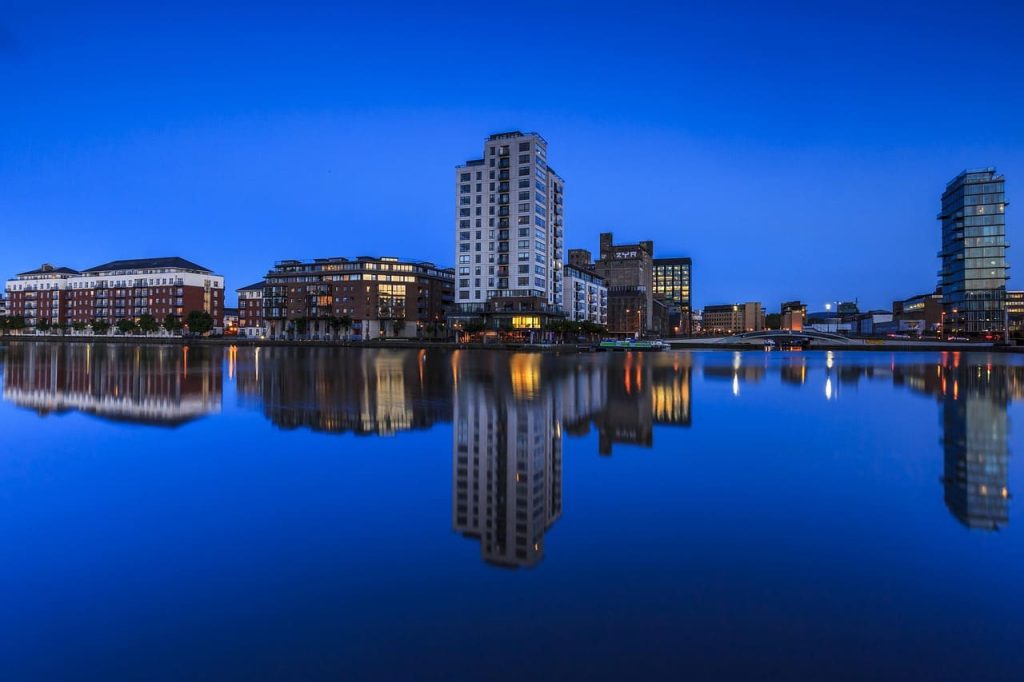
Dublin’s social districts influence the structure of the industry significantly. Areas around Grafton Street and Dawson Street offer elegant restaurants and cocktail bars where clients prefer sophisticated, relaxed evenings. In contrast, Temple Bar, with its bustling pubs and vibrant nightlife, attracts those seeking a lively atmosphere filled with music and conversation. Meanwhile, docklands districts like Grand Canal and Spencer Dock appeal to the business crowd, offering modern venues ideal for networking events or casual after-work meetings.
The perception of companionship services in Dublin varies widely. Some see it as a component of the city’s cosmopolitan hospitality scene, while others hold preconceived notions. As with any major European capital, the key is to distinguish legitimate, consensual social companionship from anything inappropriate or unlawful. Professional companions prioritize boundaries, clarity, and mutual respect. Clients, in turn, are encouraged to engage courteously, understand expectations, and behave with the same politeness they would show in any social or professional interaction in Ireland.
Digital platforms play a large role in how visitors discover companionship services. Detailed profiles, descriptions of social style, languages spoken, and preferred activities help clients choose someone who matches their expectations for a pleasant evening or event. Online listings often use standardized terms to categorize services, which is why phrases such as escort girls in Dublin appear in directories—primarily for searchability and clarity rather than as literal descriptors of personality or character.
Safety and professionalism are essential components of the sector. Dublin companions often screen clients, arrange clear meeting points, and rely on structured communication to ensure comfort for both sides. Many prefer meeting in public spaces first—such as hotel lounges or well-known cafés—before heading to restaurants or events. Clients who act politely, communicate transparently, and respect boundaries contribute to smooth, pleasant interactions.
Dublin’s cultural richness also shapes the companion experience. Beyond nightlife, the city offers countless activities suitable for social outings: performances at the Abbey Theatre, exhibitions at the National Gallery, riverfront walks along the Liffey, or traditional music sessions in charming local pubs. Companions familiar with both tourist attractions and hidden local gems provide value by tailoring experiences to the visitor’s interests, whether that means an elegant evening or a more relaxed exploration of Dublin’s cultural identity.
The evolution of the city—driven by tech growth, international investment, and a rising number of global residents—continues to influence the companion landscape. Many expatriates living in Dublin long-term seek structured social companionship for special occasions or professional gatherings where confidence and social fluency matter. Weekenders coming from the UK or mainland Europe often look for someone who can recommend the best spots or accompany them during short but activity-filled trips.
Ultimately, Dublin’s companion sector reflects the atmosphere of the city itself: friendly, vibrant, and rooted in social connection. While discreet, it plays a role in helping visitors feel more comfortable, confident, and able to enjoy what the capital has to offer. Those who engage with it respectfully often find that it enhances their experience—turning a potentially solitary evening into an enjoyable, culturally rich outing.
As Dublin continues to grow as a European cultural and economic center, its discreet companion services are likely to remain a subtle but consistent part of the broader hospitality landscape. Understanding this environment means seeing beyond stereotypes and recognizing the professionalism, courtesy, and social intelligence that define legitimate companionship in Ireland’s capital.